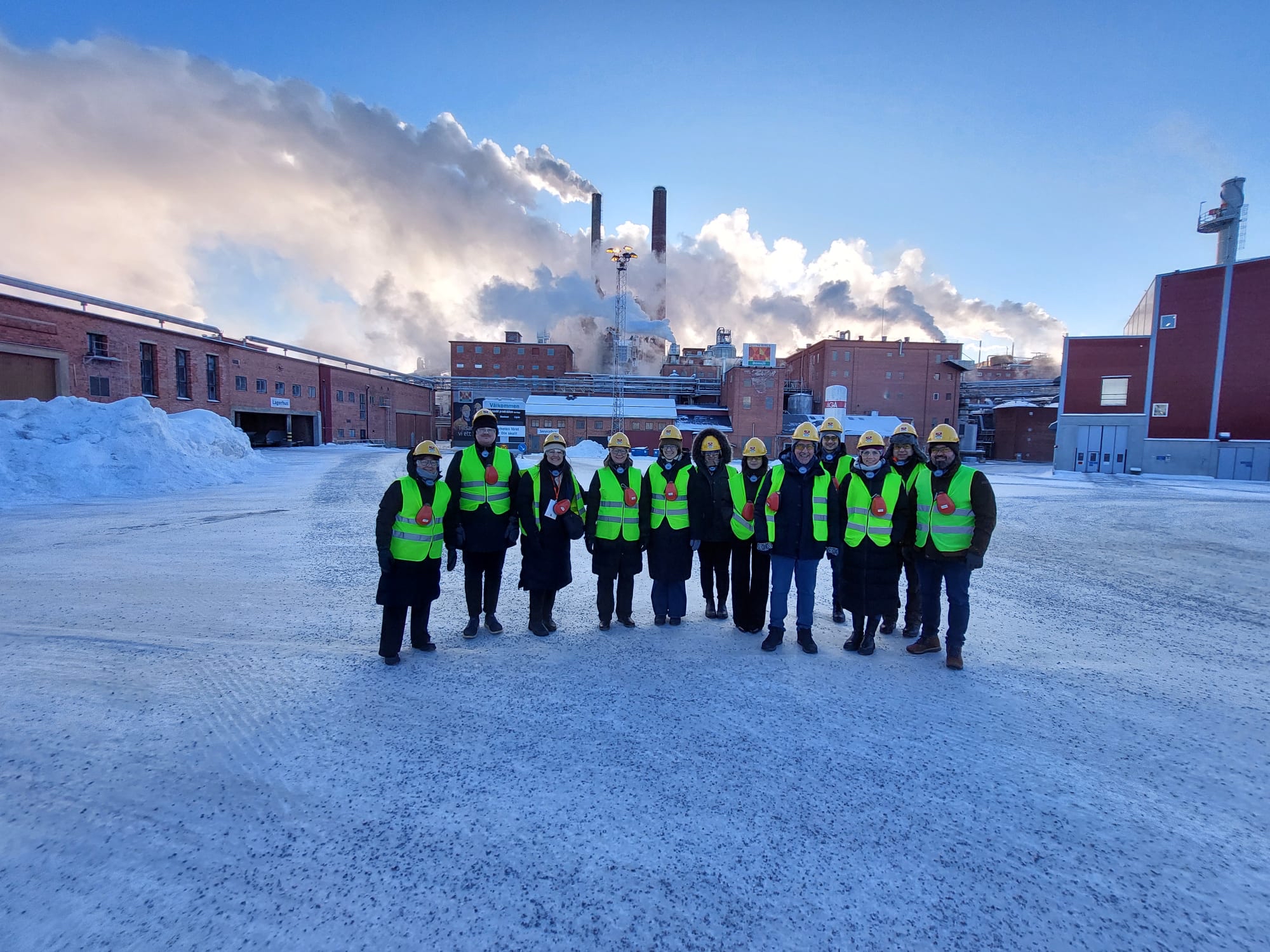
Held in truly Nordic winter conditions, with temperatures dropping to minus 28 degrees Celsius, the visit brought together bioeconomy cluster representatives from seven EU countries for an intensive programme of learning, exchange and collaboration.
The study visit focused on how bioeconomy clusters can act as engines for regional innovation, with particular
attention to industrial symbiosis, start-up and SME support, and the role of accelerators in turning bio-based ideas
into market-ready solutions. Despite the snow and cold, the atmosphere was open, hands-on and highly collaborative.

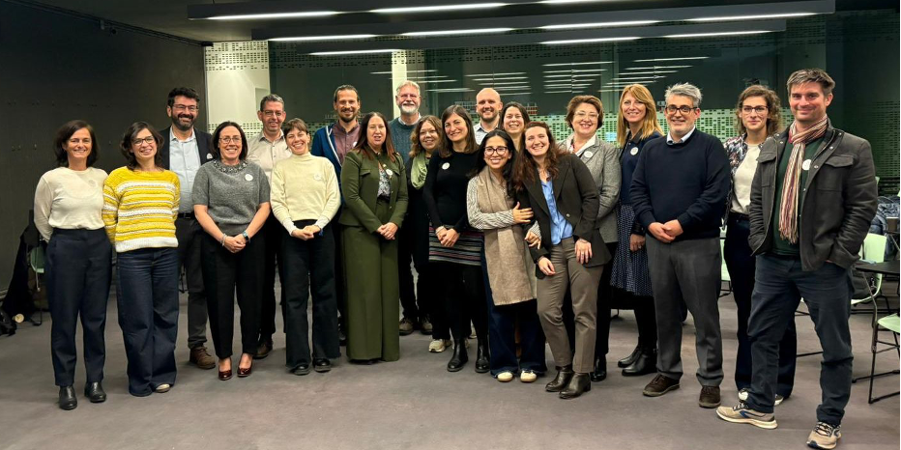
GEO participated alongside the BIO-INSPIRE regional bioeconomy clusters representing Lithuania, Poland, Slovakia, Hungary, Romania, Bulgaria and the Czech Republic. The participating clusters were Association LithuaniaBIO (Lithuania), Association Zielona Chemia WPCC (West Pomeranian Voivodeship, Poland), Bioeconomy Cluster BEC (Nitra Region, Slovakia), Hungarian Bioeconomy Cluster (Central Hungary), AgroTransilvania (North-West Romania), Green Synergy Cluster GSC (North-East Bulgaria), and the Cluster of Bioeconomy and Environment CluBE (Western Macedonia, Greece). Throughout the visit, clusters shared their regional strengths and challenges, exchanged practical experiences and explored opportunities for deeper cooperation.
The programme opened with an introduction to Örnsköldsvik and its long-standing bioeconomy history, followed by a presentation of the Processum Biorefinery Cluster, a nationally recognised hub for bio-based innovation. A central theme of the first day was start-up acceleration in the bioeconomy. Participants were introduced to the Forest Business Accelerator, a long-running kick-start programme jointly run by the incubator Bizmaker and RISE Processum, with mentoring support from larger industrial partners.
Concrete examples helped bring the accelerator model to life. Start-ups such as Reselo, which produces bio-based rubber from birch bark, and Biocompost, which converts organic
waste into nutrient-rich compost in just five days, showed how targeted support, mentoring and access to industrial
partners can significantly shorten the path from idea to commercial deployment.
Interactive workshops followed, allowing clusters to discuss common challenges faced by bioeconomy start-ups, compare acceleration programmes across regions and reflect on the long-term economic and environmental impacts of such initiatives. These sessions highlighted the importance of tailoring acceleration support to regional contexts while maintaining strong links to industry and research infrastructures.
Cluster to cluster exchange was another core element of the visit. Through structured workshops and matchmaking sessions, clusters presented their profiles, shared success stories and jointly explored shared bottlenecks and opportunities. These discussions reinforced the value of peer learning and trust-based collaboration, particularly for clusters operating in underrepresented or widening regions.
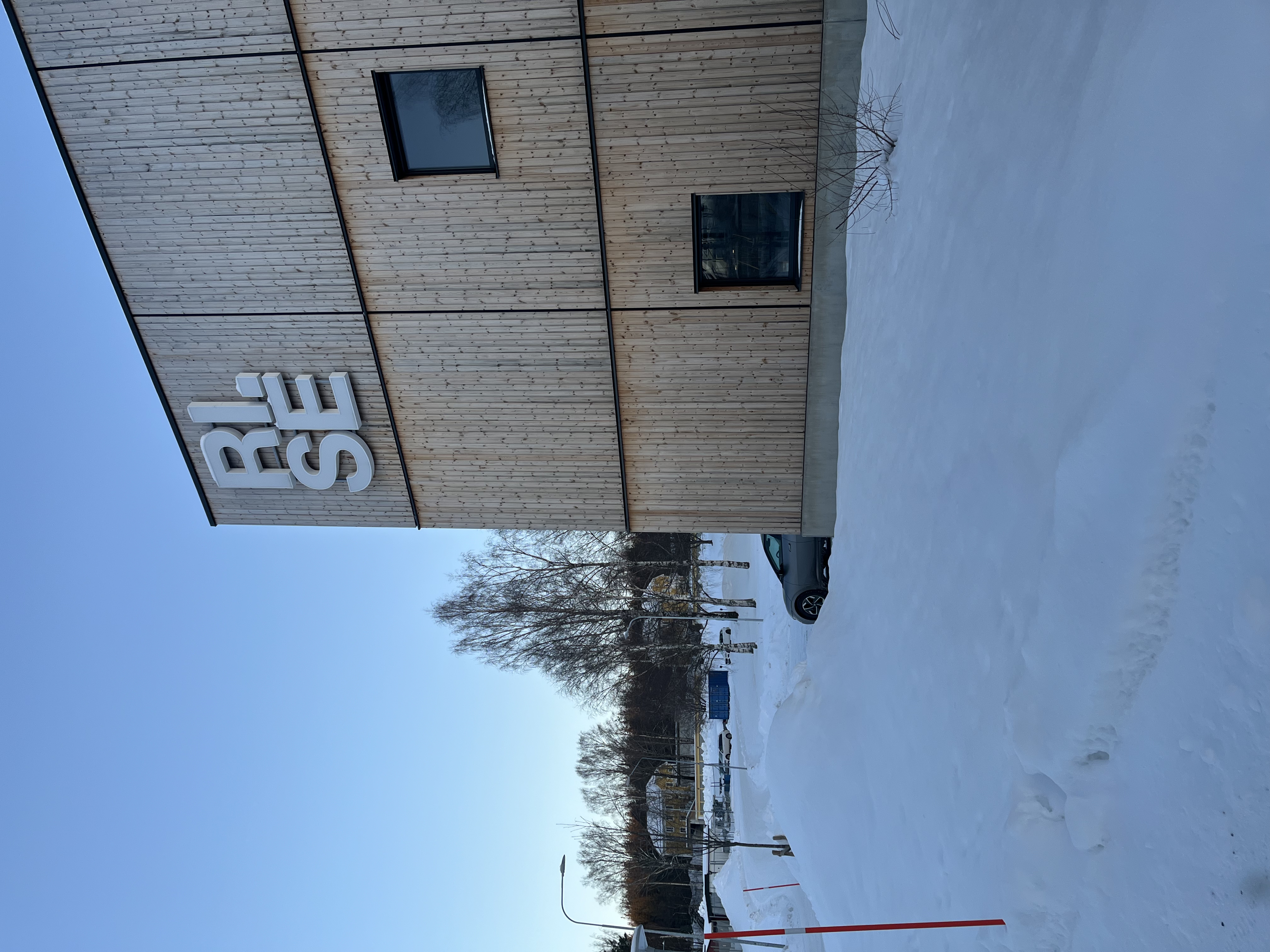
A highlight of the visit was the study tour of RISE’s Bioeconomy Arena, a state-of-the-art pilot and testbed facility inaugurated in 2024 with support from the Swedish government. The arena provides companies and researchers with the infrastructure needed to test and scale up bio-based processes in areas such as pulping, chemistry and industrial biotechnology, playing a key role in bridging the gap between research and market deployment.
The second day focused on supporting start-ups and SMEs through cascade funding and industrial symbiosis. RISE Processum presented its long-running R&D Council scheme, which has supported demand-driven research for nearly two decades and helped companies increase their technology readiness levels. Company perspectives from Sekab Biofuels and Chemicals, PulpEye, Domsjö Fabriker and EcoHelix illustrated how sustained support and collaboration can lead to competitive, fossil-free products and long-term industrial partnerships.
Industrial symbiosis emerged as a strong theme, particularly through examples from the High Coast Innovation Park. Here, material and energy flows are shared between companies, lowering entry barriers for new actors and enabling circular value chains. The planned establishment of Liquid Wind, using captured CO2 from local energy production to produce e-methanol, showcased how new bio-based businesses can integrate into existing industrial ecosystems.
Site visits to regional bioeconomy businesses, including Domsjö Fabriker and Övik Energi, further demonstrated how industrial symbiosis works in practice. These examples showed how long-standing industrial players and newer companies can co-evolve through shared infrastructure, by-product utilisation and coordinated investment.
The study visit concluded with the launch of the BIO-INSPIRE Communities of Practice, marking the start of a structured, long-term knowledge transfer process among regional bioeconomy clusters. Organised around interconnected thematic domains such as bio-based products, digital tools, funding, policies and regional knowledge transfer programmes, the Communities of Practice aim to support continuous learning, collaboration and capacity building across Europe.
For GEO, the visit offered valuable insights into how clusters, accelerators and industrial ecosystems can work together to drive the bioeconomy forward. It also reinforced the importance of cluster to cluster cooperation, inclusive governance and practical knowledge exchange as key enablers for a competitive, resilient and sustainable European bioeconomy.