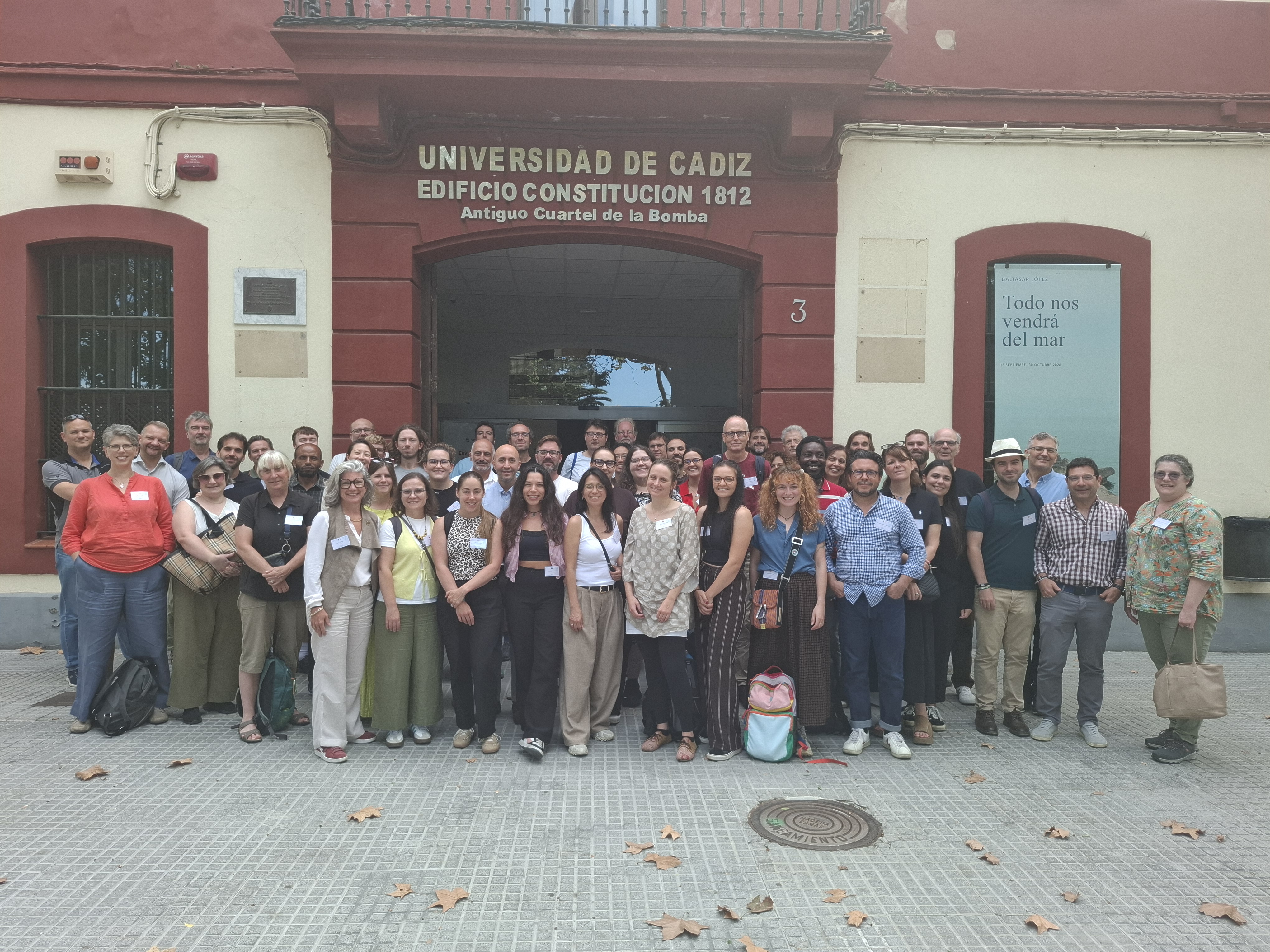
30 September 2026, Uppsala (Sweden) - The NEXRUR project brought together its European partners in Uppsala, Sweden, for its second Consortium Meeting, hosted by the Swedish University of Agricultural Sciences (SLU). Several Chinese partners also joined the meeting, further strengthening the EU-China collaboration that lies at the heart of NEXRUR and brings together knowledge and perspectives from diverse rural contexts.
Launched in October 2025, NEXRUR is investigating how innovative community-led business models contribute to more resilient rural areas in Europe and China, with a particular focus on approaches in which local communities play an active role in shaping and driving sustainable change.
Over its first year, the project has been laying the foundations for the research that will be carried out throughout NEXRUR, bringing together the different perspectives, expertise and rural contexts represented across the consortium. The meeting in Uppsala marked an important step in moving from these foundations towards the next phase of research and implementation.
During two days of collaborative sessions at the SLU campus, partners worked together to further develop NEXRUR’s research agenda. Through a series of collaborative sessions, researchers and practitioners discussed research questions and methodological approaches, data collection strategies and expected results, as well as how the project’s research outputs will develop over the coming years.
“The first phase was important to set up the conceptual and operational ground for pursuing NEXRUR’s research objectives in close collaboration with the case partners and relevant practitioners”, highlighted NEXRUR’s coordinating team at ATB. “For instance, did we establish the so-called innovation network for mutual cross-case learning, and set up the stage for the National and European Stakeholder Panels that offer continuous input from the most relevant stakeholders surrounding the NEXRUR practice cases. Focusing on aligning our common research agenda at this meeting was important to ensure efficient, aligned and structured collaboration among our international consortium”.
A central theme throughout the discussions was community-ledness: the extent to which local communities are an integral part of rural business development, initiating, shaping, governing and benefiting from it. Understanding how this takes different forms across NEXRUR’s diverse cases will be an important part of the project’s research.
The meeting also provided an opportunity to coordinate the next steps across the project, including stakeholder engagement and the selection of start-ups that will participate in NEXRUR’s activities.
From research discussions to rural realities in Gotland
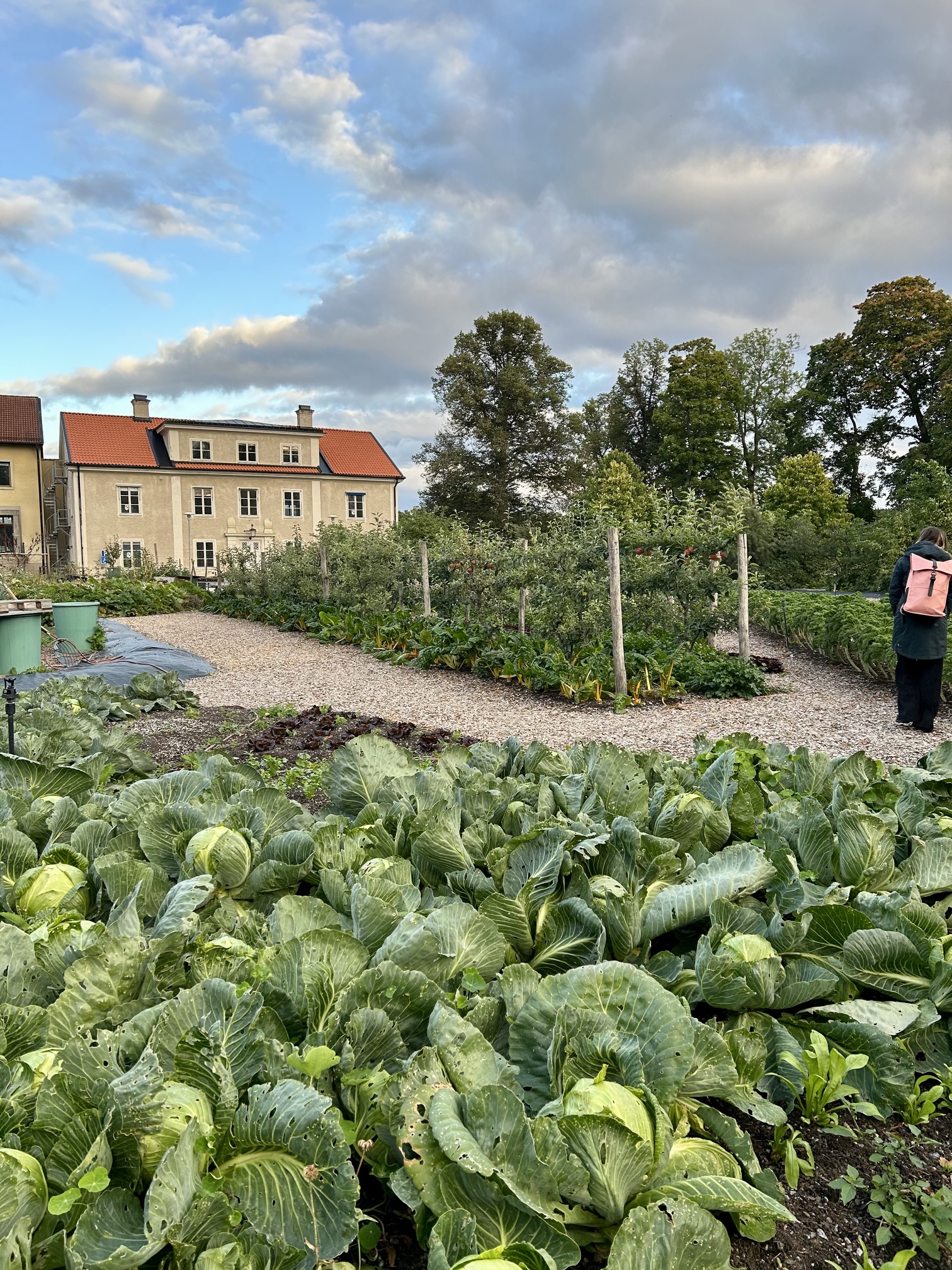
Following the consortium meeting, NEXRUR partners travelled to the Swedish island of Gotland for a study visit organised by SLU, bringing the discussions in Uppsala closer to the realities of rural communities and businesses.
The programme introduced participants to local initiatives and actors working on different dimensions of community-led rural development. These included experiences related to local development, community-driven water and sewage systems, food tourism, energy solutions and community preparedness, as well as exchanges with local civil society actors, businesses, policymakers and organisations supporting the rural entrepreneurial ecosystem.
Building on the first year of NEXRUR
NEXRUR officially started on 1 October 2025 and will run for four years. The project brings together partners from Europe and China to investigate innovation dynamics and strategies for change in rural areas and to support farmers and rural communities in developing, selecting and scaling sustainable community-led business models. Through this work, NEXRUR aims to generate knowledge that can support rural communities, businesses, researchers and policymakers in Europe, China and beyond.
As NEXRUR enters its second year, the work developed during these months provides the basis for the next stages of the project: working more closely with its community cases and start-ups, collecting and analysing evidence, and developing knowledge and tools that can help understand how community-led business models contribute to rural resilience in different contexts.
You can keep up with project progress on the LinkedIn page and website.