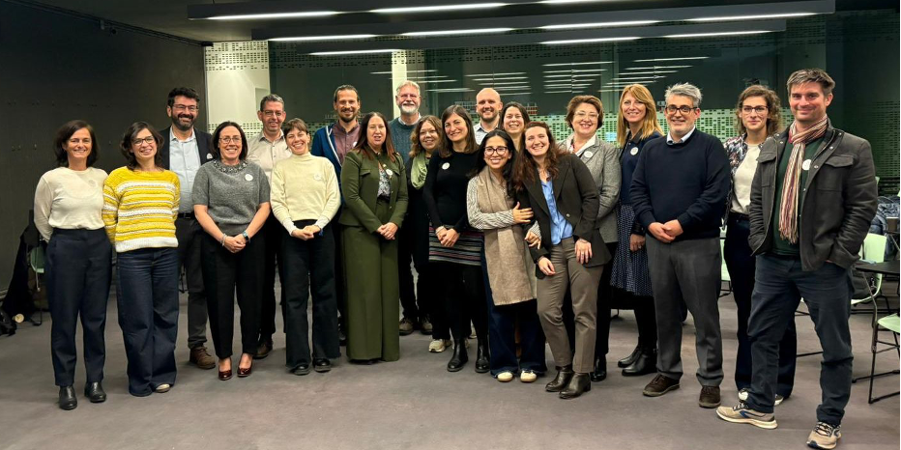
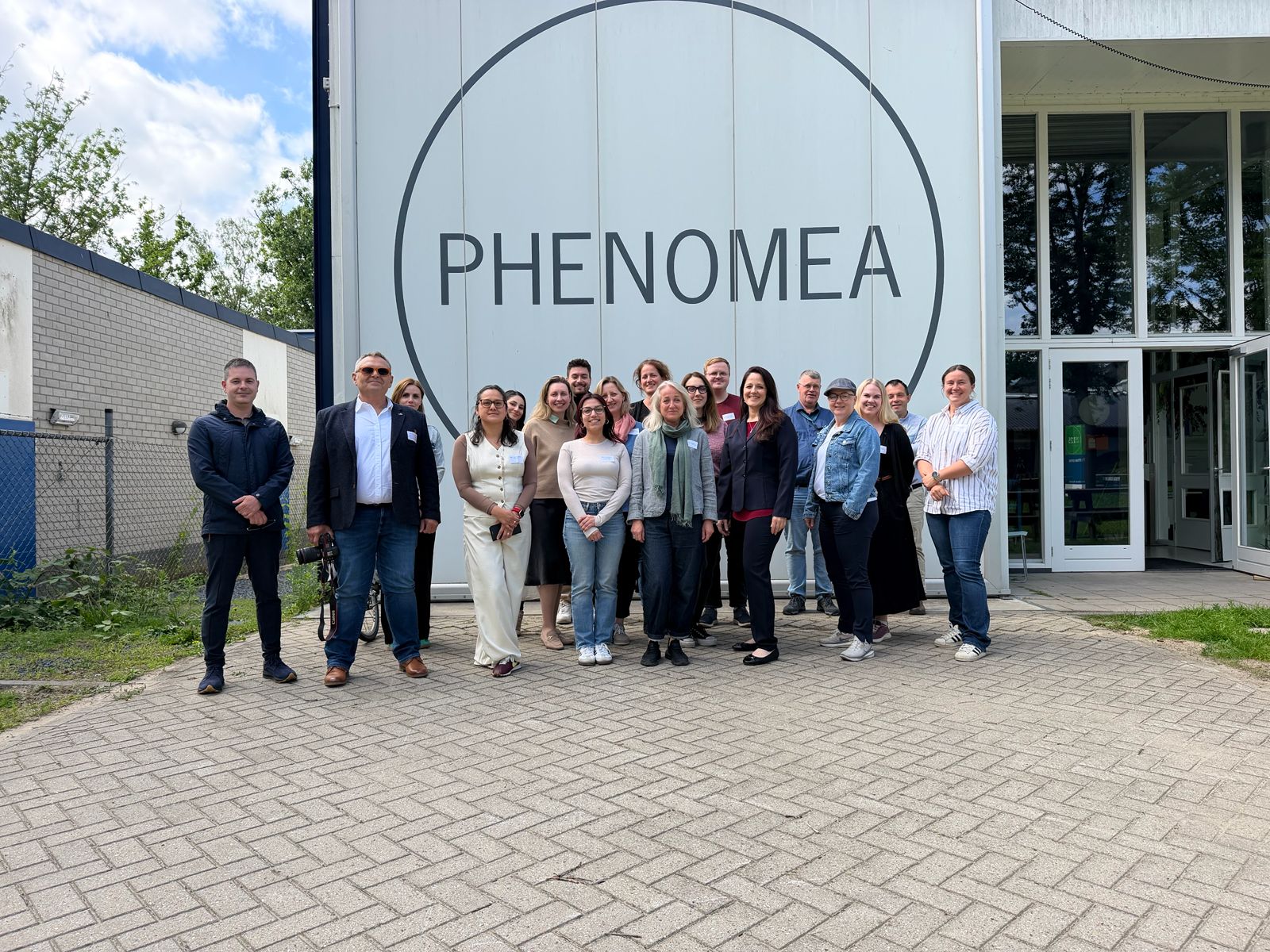
From 15 to 17 June 2026, GEO participated in the BIO-INSPIRE study visit to the Dutch bioeconomy ecosystem in Wageningen, the Netherlands. The three-day programme brought together regional bioeconomy clusters, experts, and practitioners from across Europe with the shared goal of strengthening innovation capacity, enhancing interregional collaboration, and identifying practical pathways for advancing the bioeconomy in diverse regional contexts.
Organised within the framework of the BIO-INSPIRE project, which focuses on enhancing bio-based innovation and participation in under-represented regions through cluster mobilisation and collaborative governance, the study visit offered an in-depth look at one of Europe’s most advanced and well-integrated bioeconomy ecosystems. The Dutch model, and particularly the Wageningen ecosystem, is widely recognised for its ability to connect research, business, policy, and education into a coherent and highly functional innovation system.
The programme began at Wageningen University & Research, where the first day set the conceptual foundation by focusing on how regions can move from identifying challenges to implementing concrete actions. Building on earlier discussions held during the BIO-INSPIRE Community of Practice session in Lithuania, participants revisited common barriers faced across European regions. These included difficulties in stakeholder engagement, gaps in ecosystem coordination, limited access to pilot infrastructure, challenges in biomass valorisation, and persistent issues related to skills development and knowledge transfer.
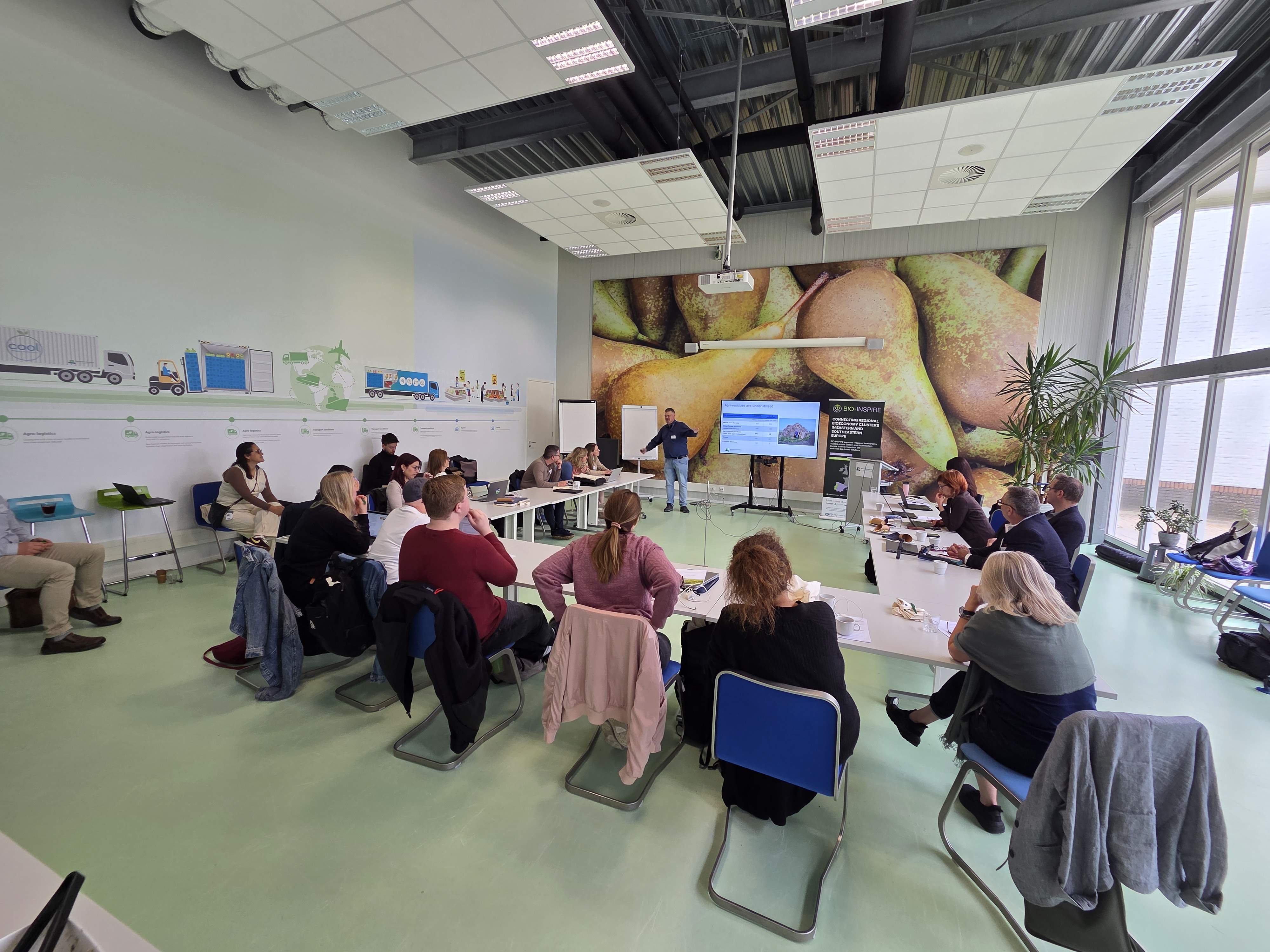
Rather than stopping at problem identification, the sessions placed strong emphasis on solutions. A series of expert presentations explored the systemic nature of the bioeconomy transition, highlighting why innovation often struggles to scale and how clusters can act as orchestrators of change. Discussions examined how biomass can be transformed into higher-value products through biorefinery approaches and how circularity can be embedded within agri-food systems to create resilient and sustainable value chains. Particular attention was also given to knowledge transfer systems and the role of innovation support mechanisms in accelerating the uptake of bio-based solutions.
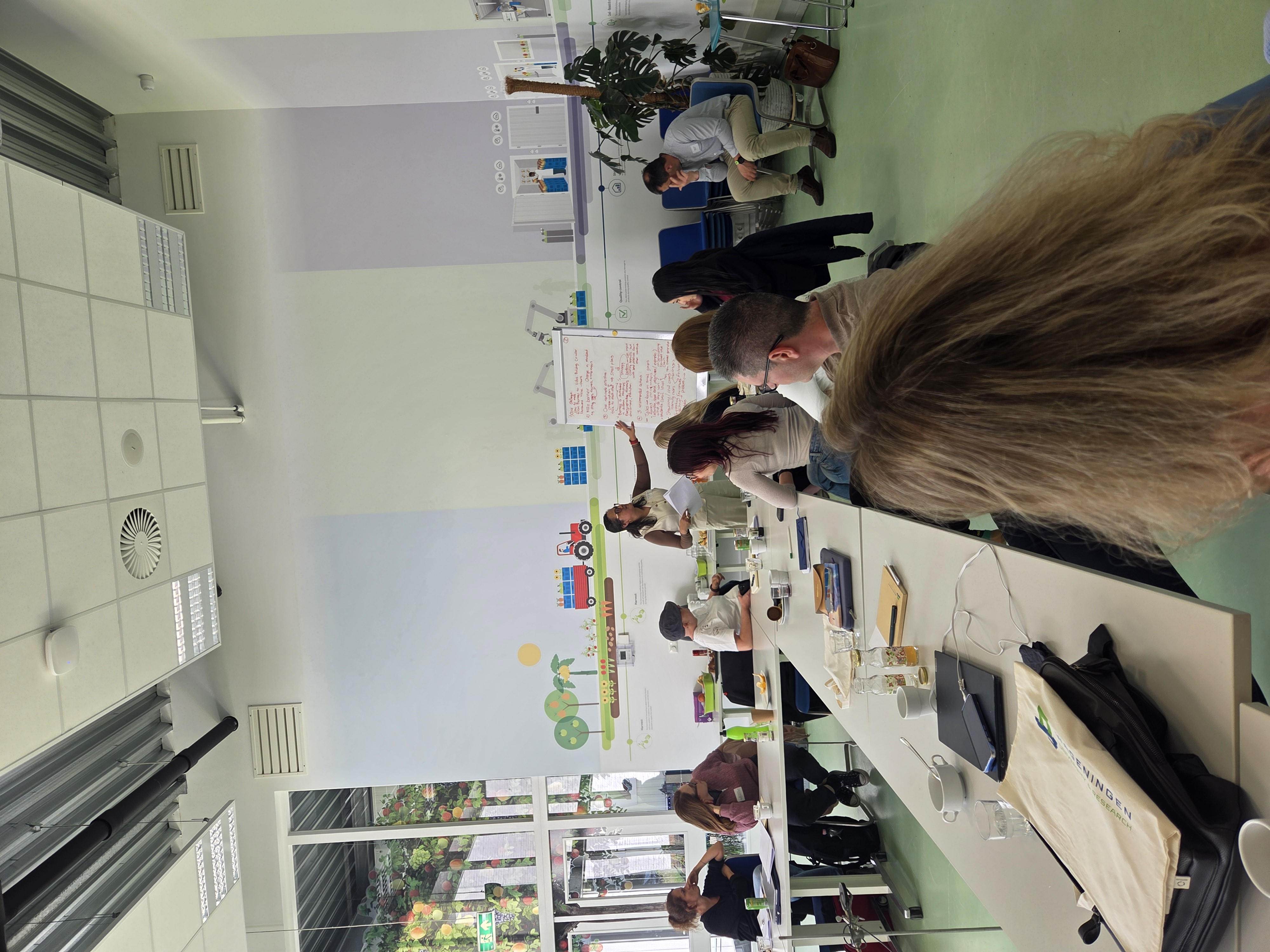
The day culminated in interactive case clinics, where participants worked collaboratively to apply these insights to real regional challenges. These sessions provided a valuable opportunity to exchange experiences, test ideas, and identify potential areas for collaboration within the BIO-INSPIRE network. The shift from theoretical discussion to practical application was a defining element of the visit, reinforcing the project’s focus on actionable outcomes.
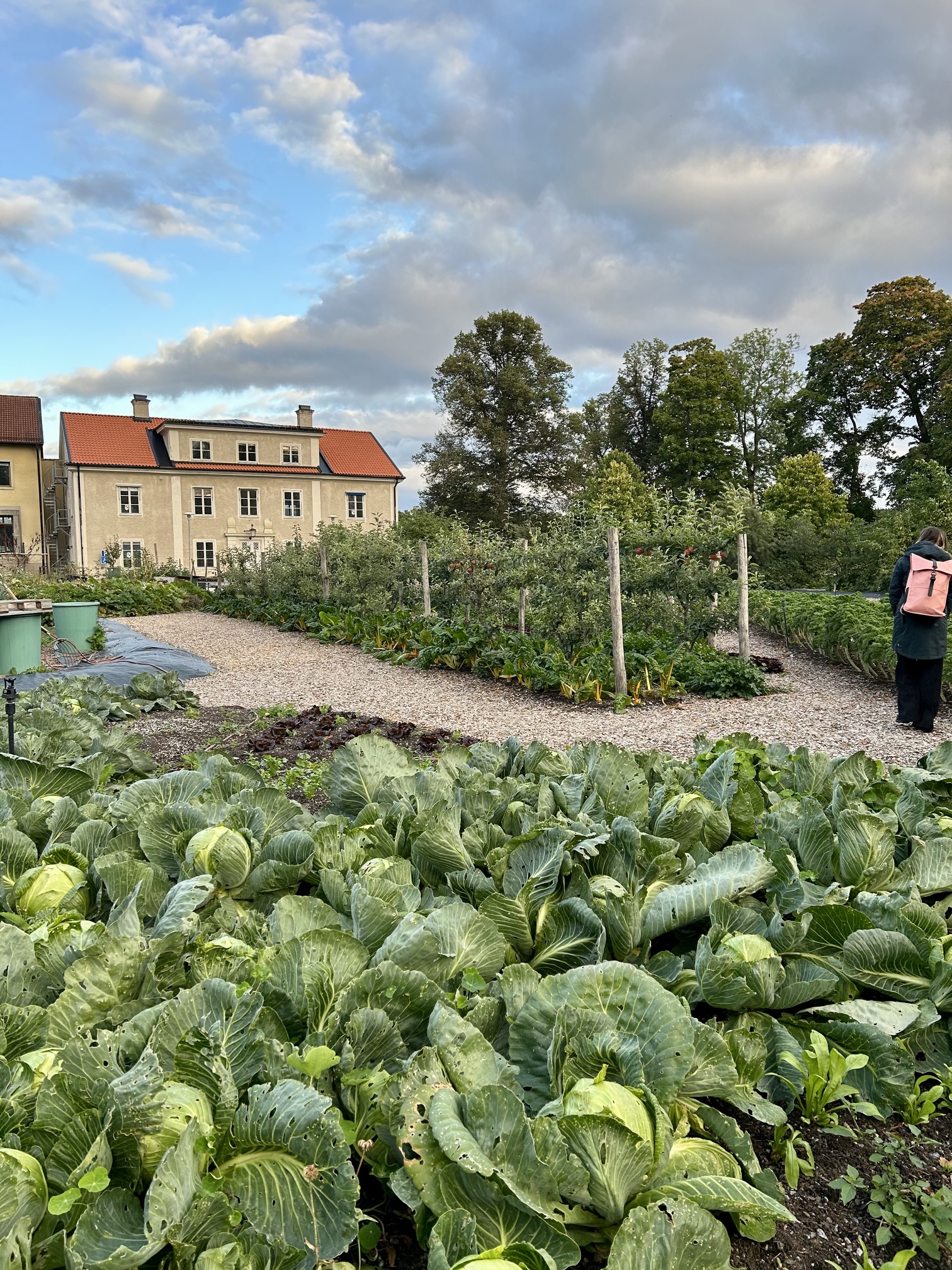
The second day moved from discussion to direct experience, taking participants beyond Wageningen to explore the broader Dutch bioeconomy landscape. Visits to leading innovation hubs and companies offered a first-hand perspective on how bioeconomy systems operate in practice. At Brightlands Campus Greenport Venlo, participants observed how a well-designed innovation ecosystem can lower barriers for new ventures through shared facilities, cluster services, and coordinated governance structures. The campus exemplifies how collaboration between public and private actors can foster entrepreneurship, accelerate innovation, and support sustainable agri-food development.
.jpg)
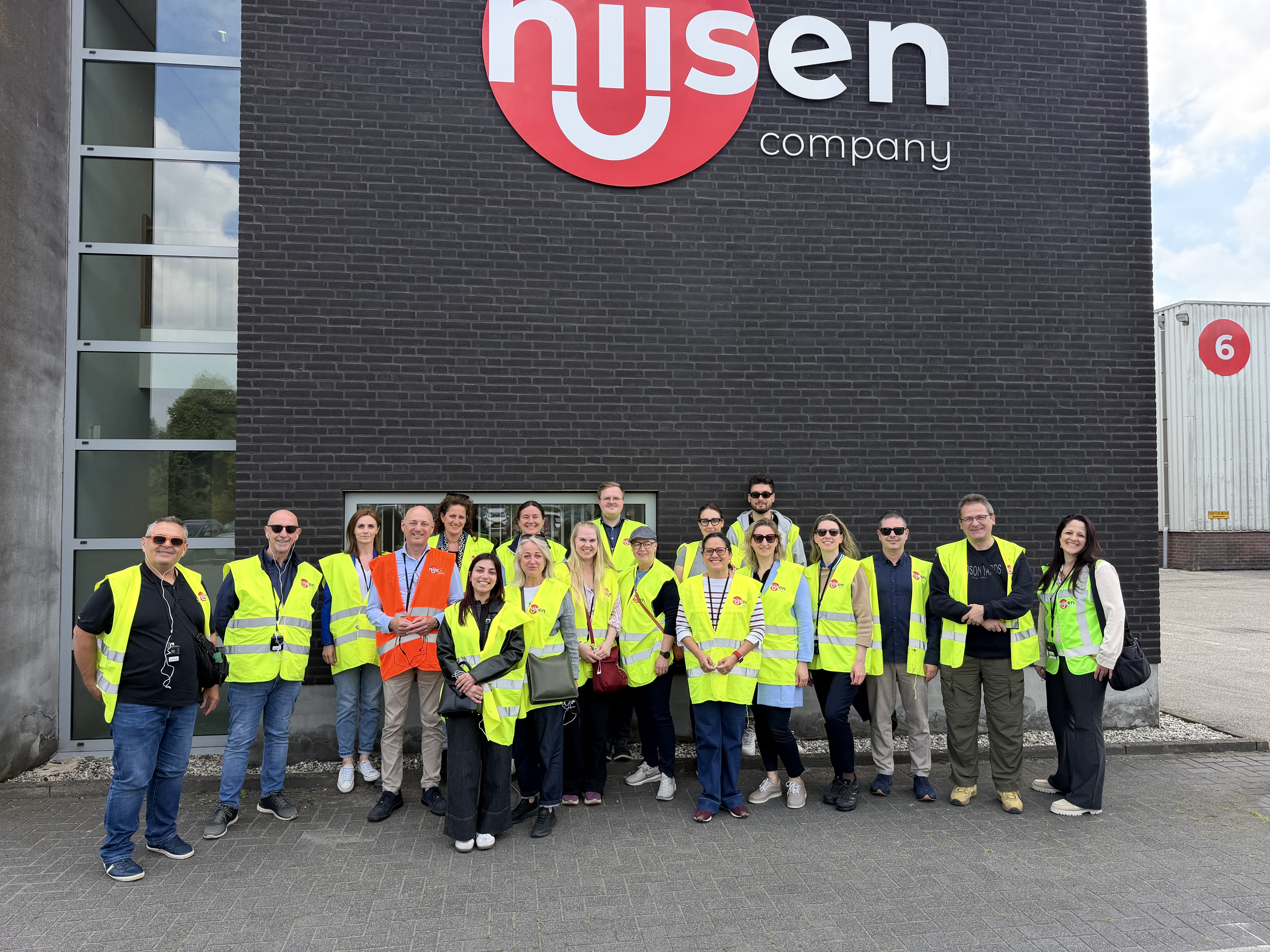
Subsequent visits to Nijsen and Kipster provided concrete examples of circular business models and industrial symbiosis in action. These companies demonstrated how agricultural and food side streams can be transformed into valuable resources, contributing to both environmental sustainability and economic growth. Kipster, in particular, a certified B corporation poultry farm, illustrated how innovative concepts can successfully scale when supported by appropriate partnerships, financing mechanisms, and regulatory frameworks, while maintaining a strong focus on animal welfare and renewable energy integration.
Across all site visits, a consistent message emerged: successful bioeconomy innovation depends not only on technological solutions but also on the broader ecosystem conditions that enable them. These include access to infrastructure, supportive policy environments, effective collaboration networks, and mechanisms that reduce risk at different stages of the innovation process.
The final day returned to Wageningen with a focus on these enabling conditions and how they can be replicated in other regions. Discussions were structured around the full innovation pathway, from strategic vision and talent development to entrepreneurship, partnership building, and market deployment. Participants explored how the Dutch system supports the development of human capital through lifelong learning strategies and how it aligns education, research, and industry needs to ensure a skilled workforce for the bioeconomy.
The role of ecosystem builders and innovation intermediaries also featured prominently, highlighting how organisations such as incubators and accelerators facilitate connections between start-ups, corporates, researchers, and investors. Sessions on pilot and demonstration infrastructure illustrated how shared facilities can help innovators validate technologies, reduce scale-up risks, and move closer to commercialisation. A practical case study demonstrated how a bio-based innovation evolved from an early-stage concept into a growing SME within the Wageningen ecosystem, offering valuable insights into the scaling process.
For GEO, participation in the BIO-INSPIRE study visit provided a valuable opportunity to deepen its understanding of how effective bioeconomy ecosystems function in practice. The visit reinforced the importance of integrated, well-coordinated systems that bring together policy, research, and industry, as well as the critical role of clusters in driving systemic change.
Equally important was the opportunity to strengthen connections with regional bioeconomy clusters across Europe. The exchange of experiences and perspectives contributed to building a shared understanding of challenges and opportunities, laying the groundwork for stronger interregional collaboration. This is essential for addressing disparities between regions and ensuring that the benefits of the bioeconomy transition are widely distributed.
The BIO-INSPIRE study visit to Wageningen clearly demonstrated that the transition to a sustainable and circular bioeconomy requires more than innovation alone. It depends on creating the right conditions for innovation to emerge, scale, and deliver impact. Through exposure to best practices and active collaboration, participants left with new ideas, strengthened networks, and a clearer vision of how to advance bioeconomy development in their own regions.
.jpg)